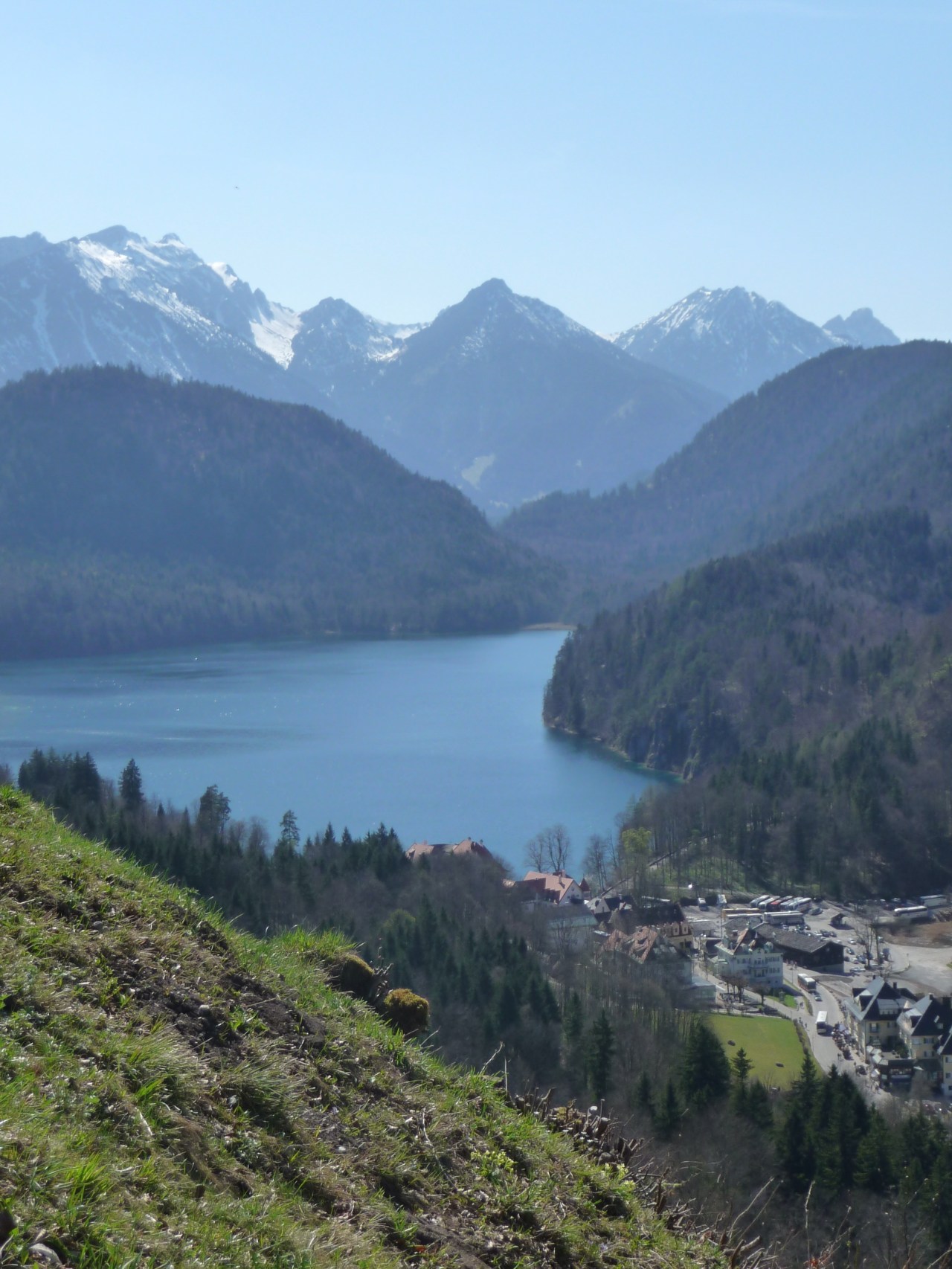
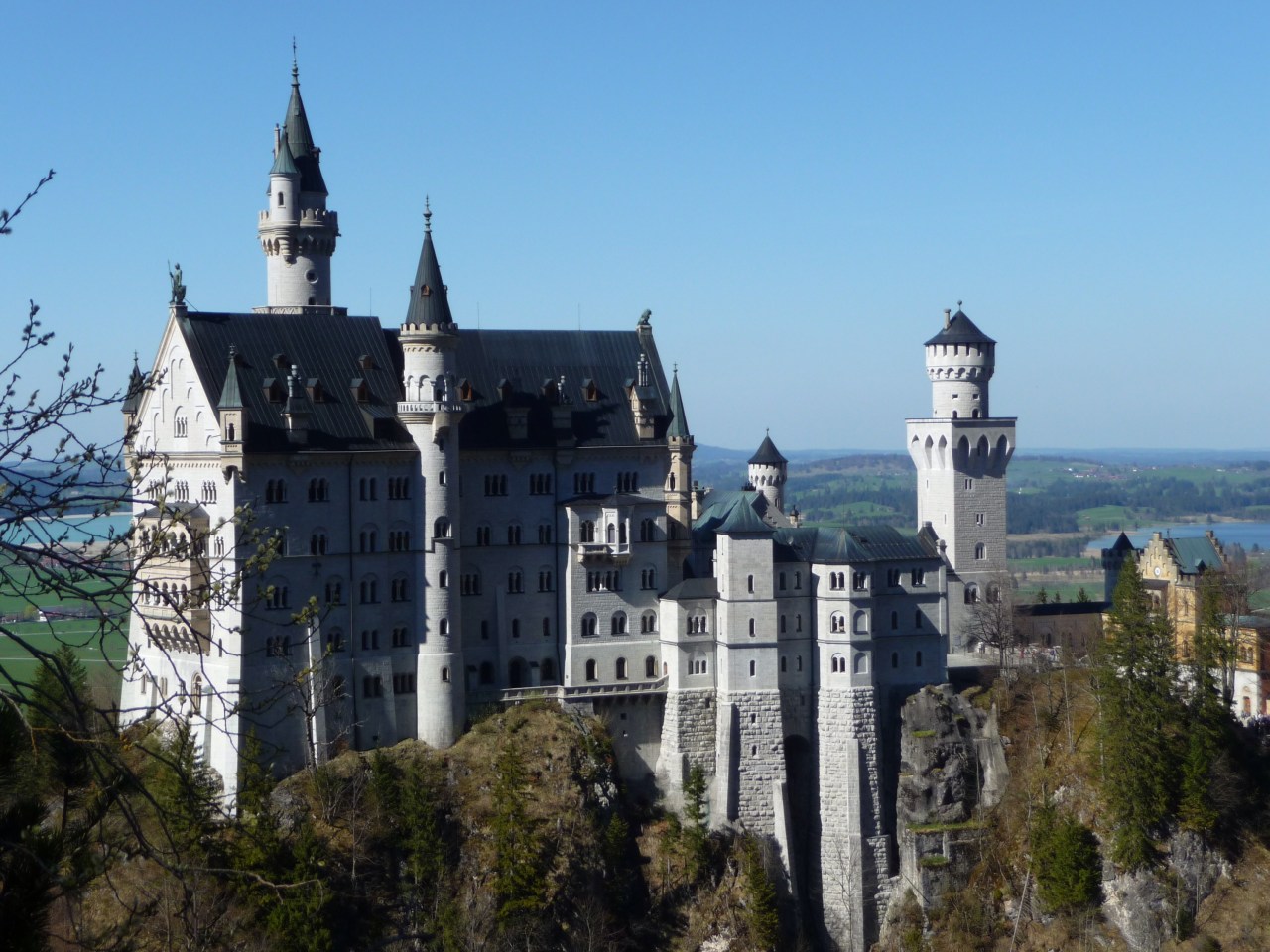
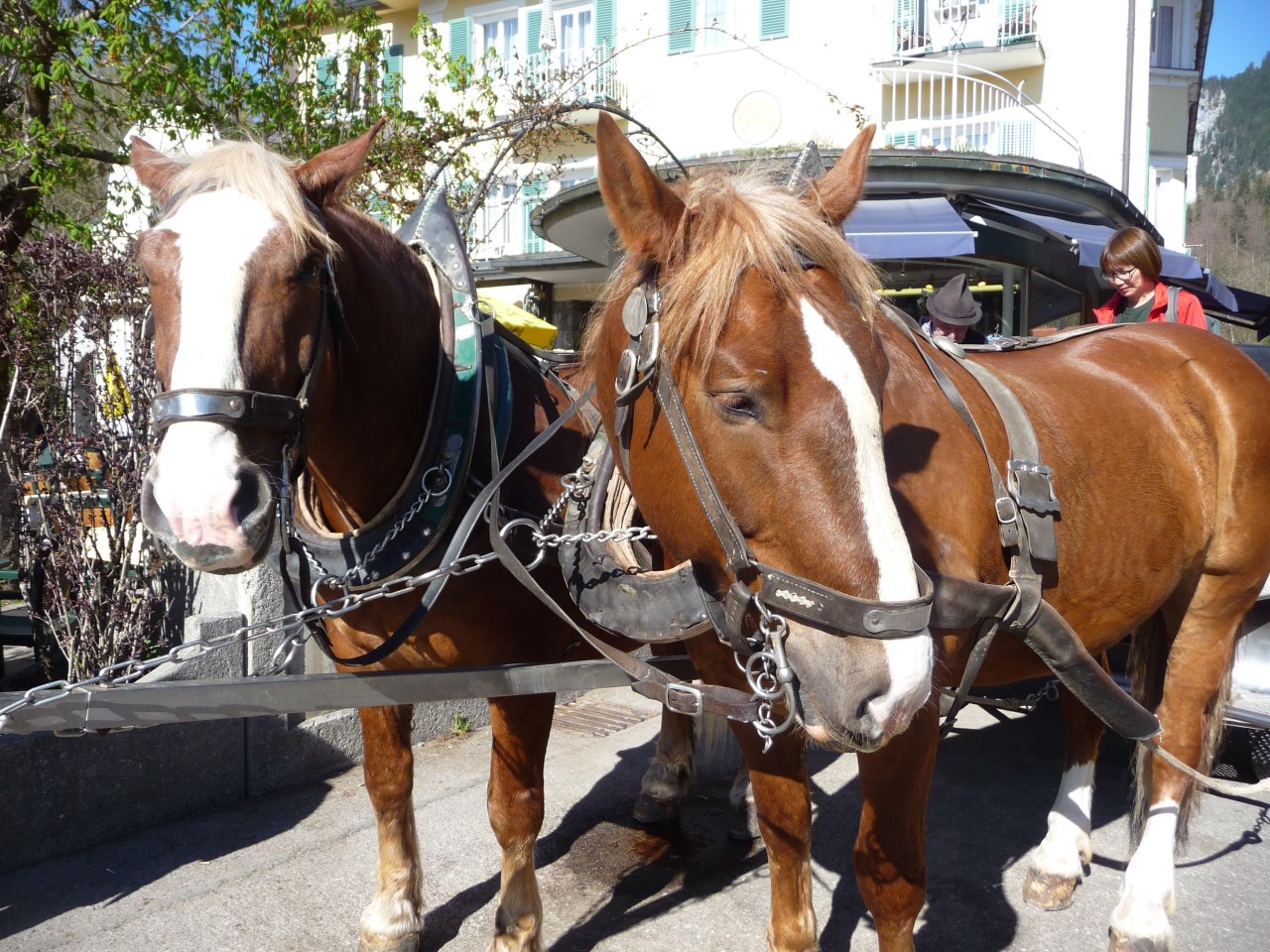
Apologies for the blog hiatus! Unfortunately Monsieur Le Chic and yours truly were struck down by “die Grippe” at the end of our UK trip and this affected us for our first few days in Munich. We spent rather more time than planned in our hotel ( albeit a very nice one) and got to know the local Apotheke well. Their wonderful medications and tonics have worked their magic and we have thoroughly enjoyed the last few days helped too by the glorious sunshine! Yesterday we had a magical day out, along with our younger daughter Mlle, to the beautiful Neuschwanstein Schloss and here are a few photos from that trip. I’ll be writing up more once we’re back home in Perth ( we set off for home tomorrow afternoon). Auf Wiedersehen Munich!
It’s been something of an emotional roller coaster of a week! Monsieur Le Chic and I had a visit from the Easter stork rather than the Easter bunny this year (not literally I might add) with the surprise arrival nearly 4 weeks early of our 2nd beautiful granddaughter on Easter morning. Both La Petite and her mum, our elder daughter La Chic Maman, are doing very well back home in Perth. We were due back from our travels nearly a week before her due date and thought we’d be there in plenty of time….the best laid plans! Thank goodness for modern technology – we have been staying in touch with photos, text messages and Skype.
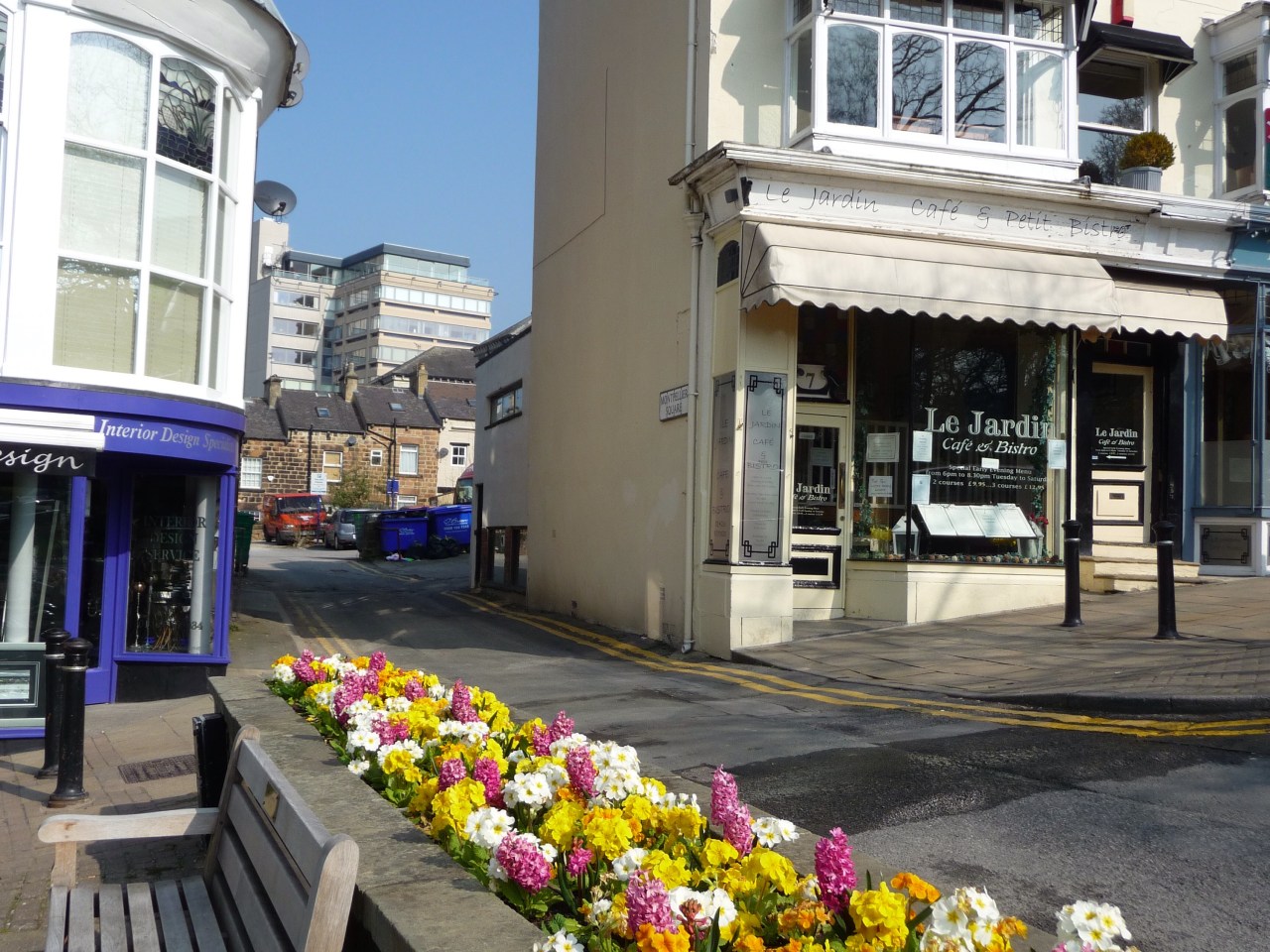
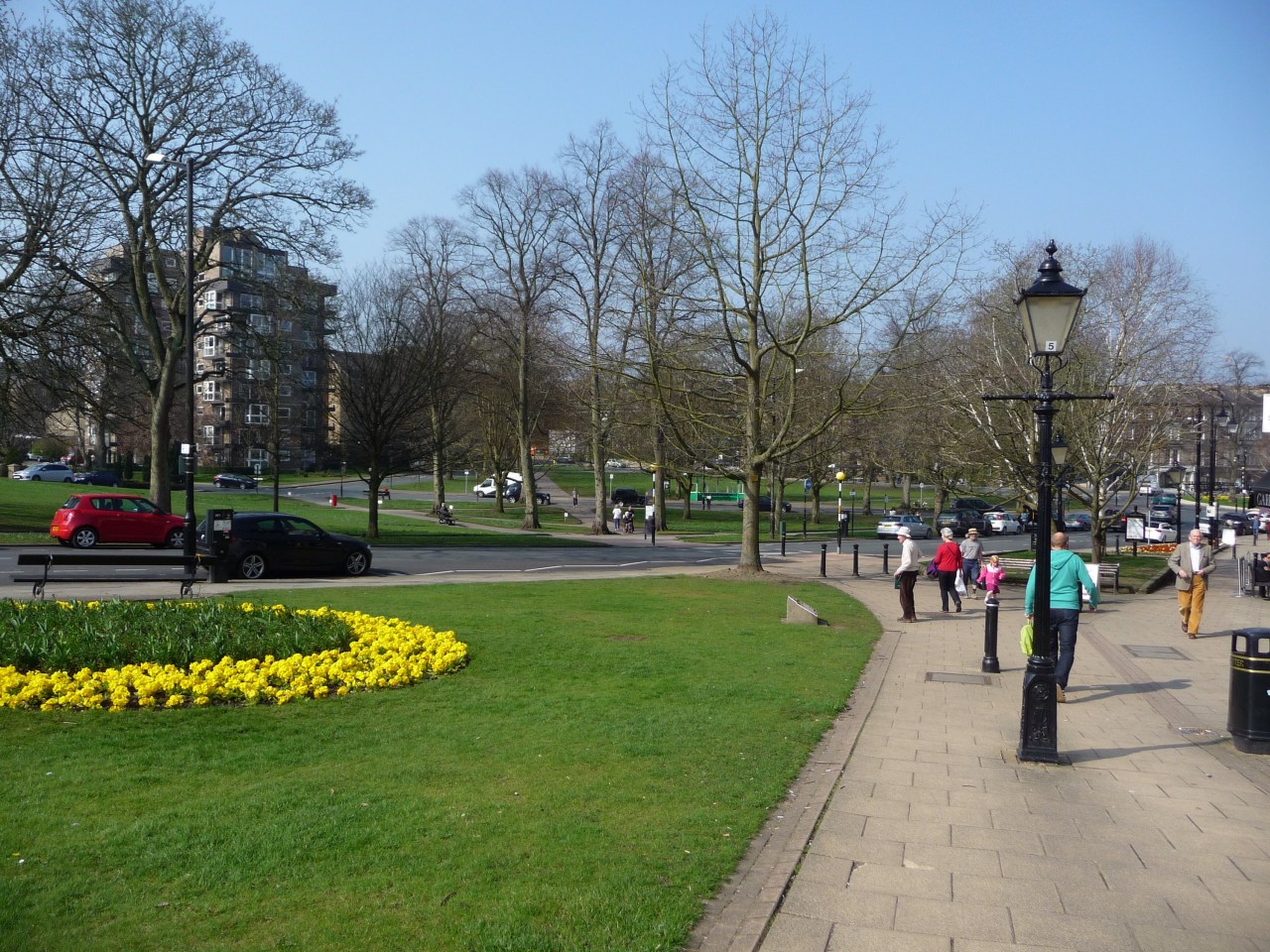
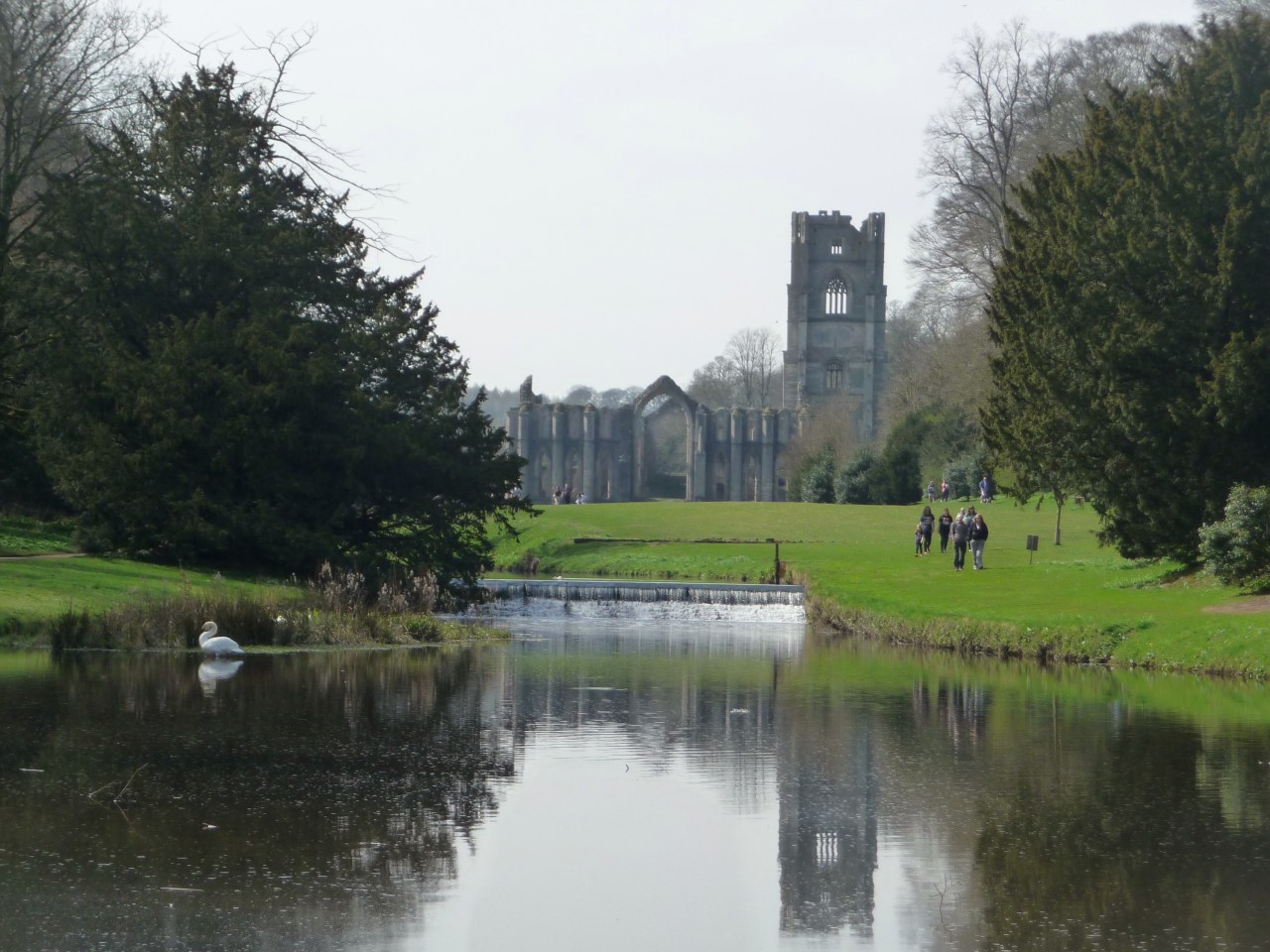
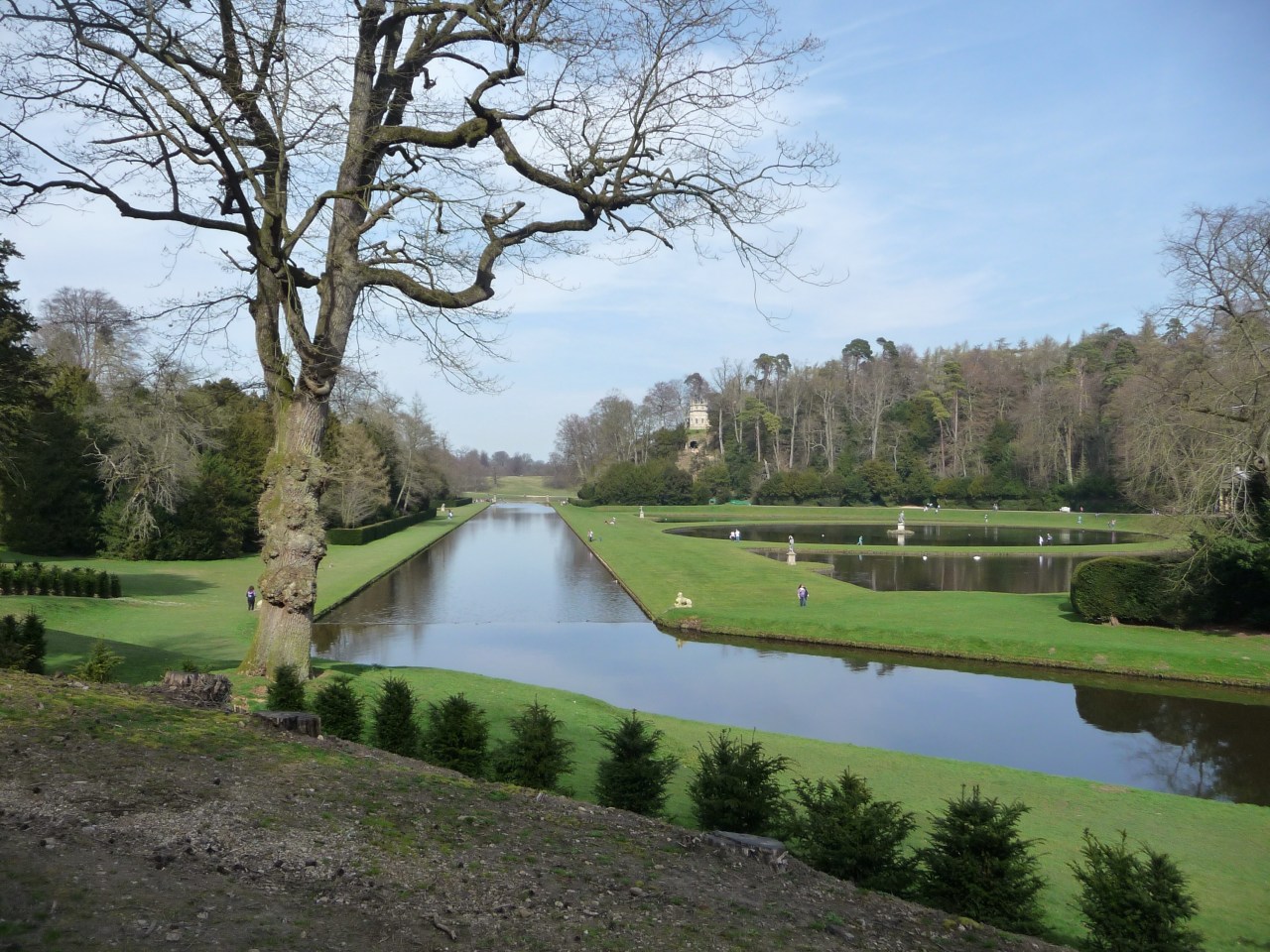
In the meantime the weather in the UK has been glorious, sunny and warm – spring is in the air! Here are some recent photos taken in and around the Harrogate area including a trip to Fountains Abbey and Studley Royal.
We moved on to London last night and have a busy weekend planned with our younger daughter, Mlle, and catching up with friends. More postcards soon!
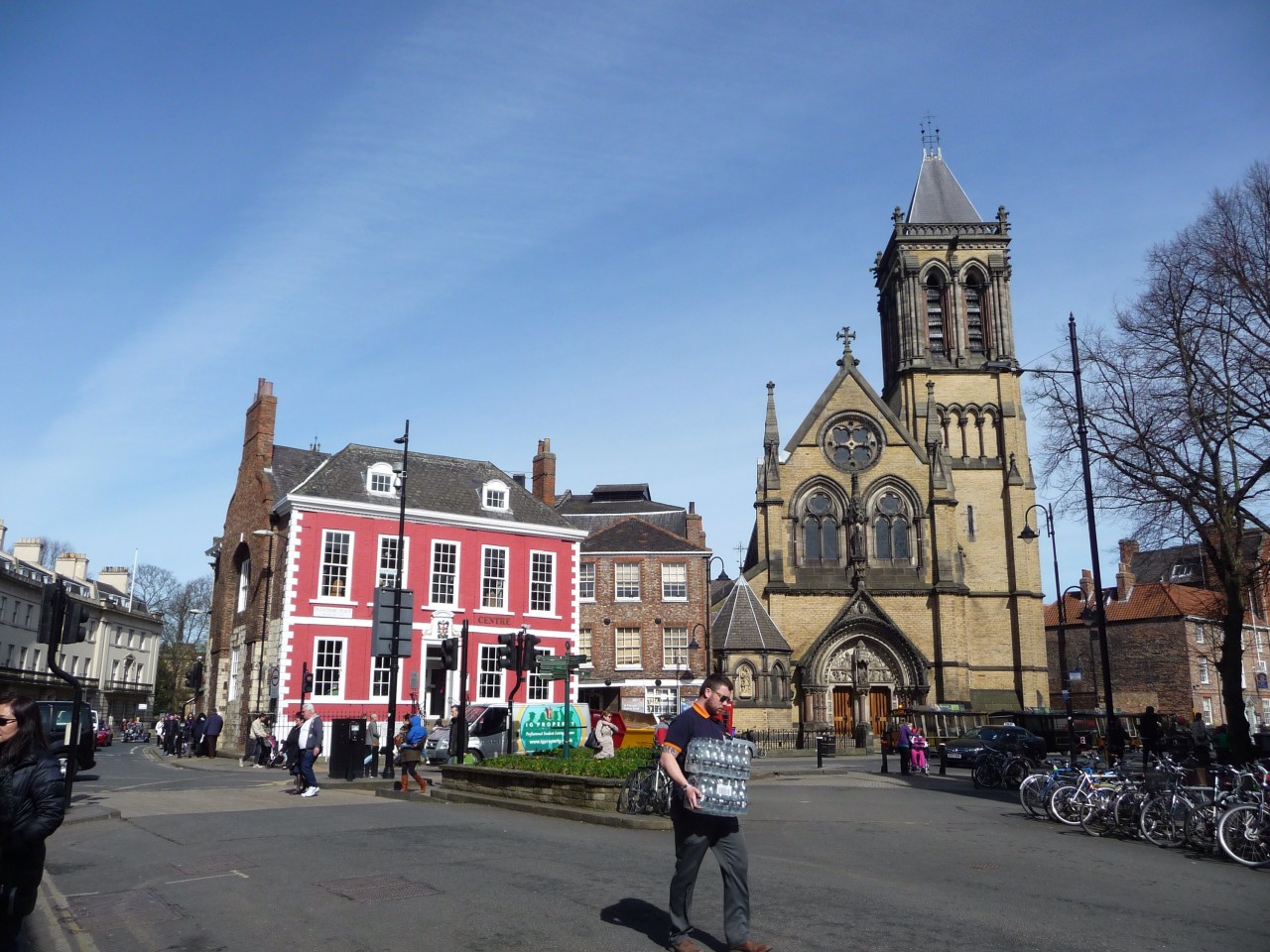
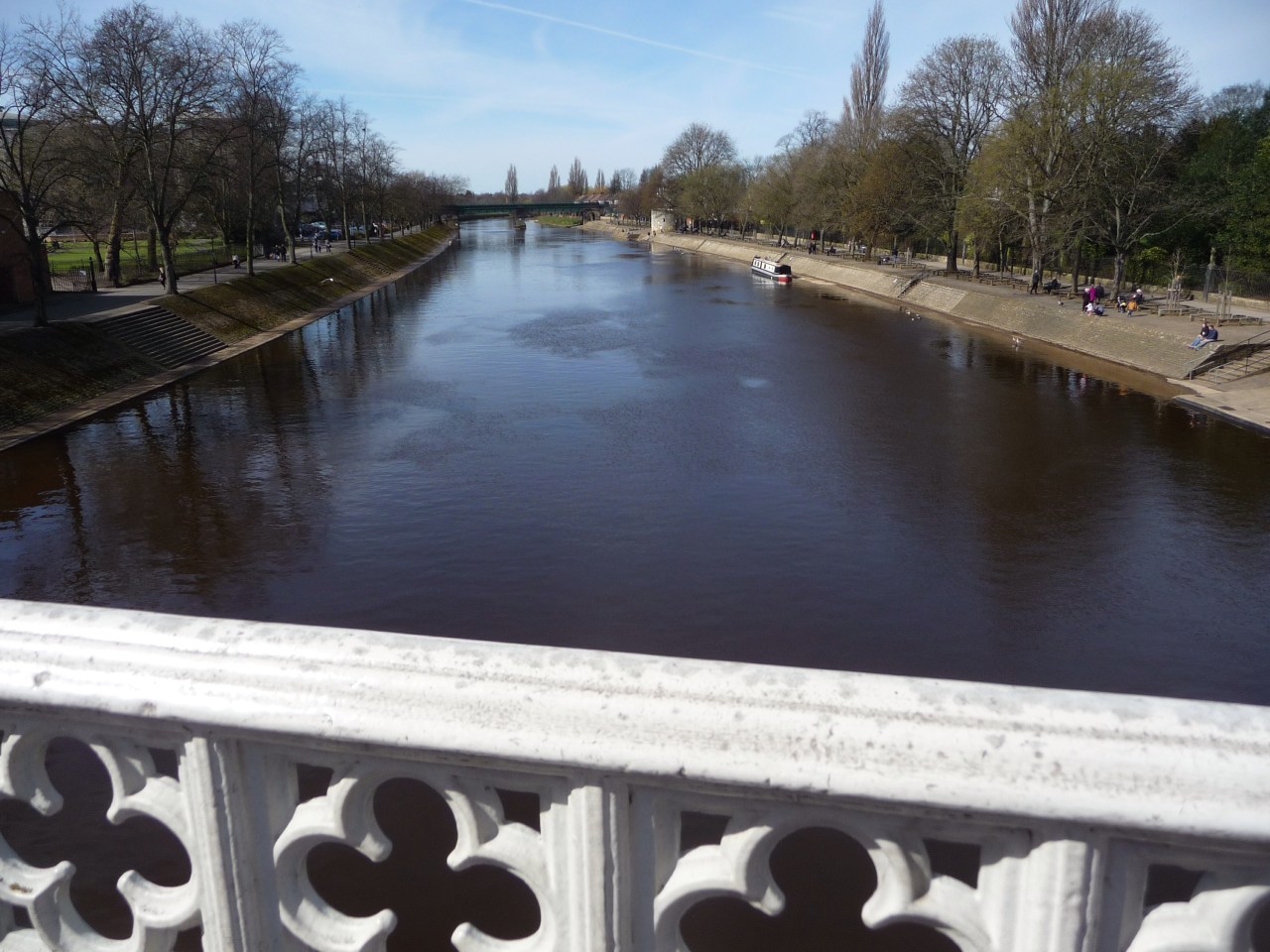
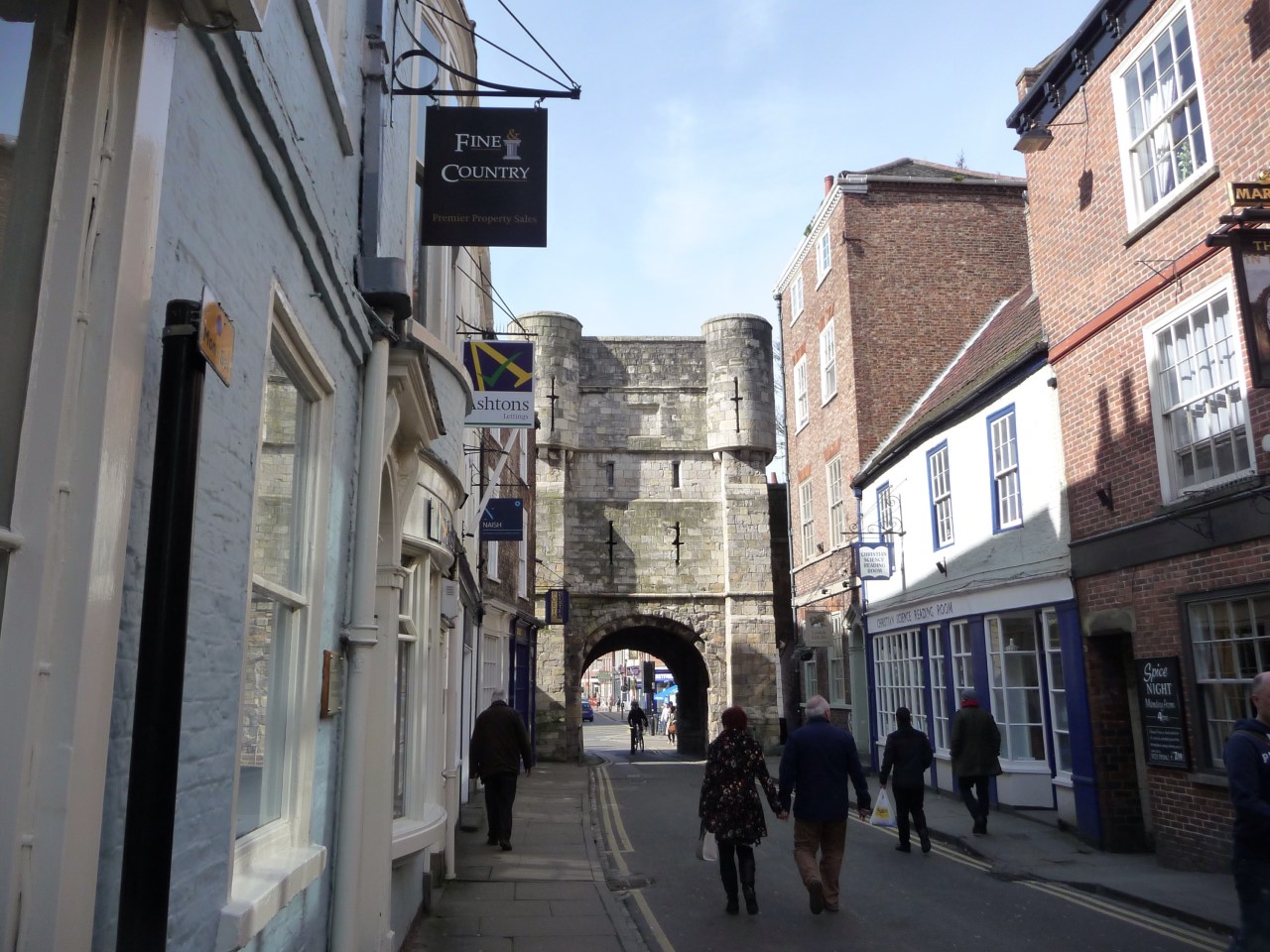
Since arriving in the UK nearly a week ago, we’ve had wild March gales, wintry April showers and temperatures that have felt to this “Perthling” like the Arctic, with the wind chill factor added in for good measure! Yesterday, however, we had a beautiful early Spring day, that whilst still chilly was clear and sunny with only a gentle breeze. The perfect weather for a day out in one of my all time favourite places, the ancient city of York. Here is a sneak preview of my trip!
I have managed (I think!) to produce this travel update on my iPad so hopefully it will publish successfully! My usual blog posts will resume on my return to Perth at the end of this month. Wishing everyone a very happy Easter and a wonderful long weekend!
Copyright Le Chic En Rose 2015 All Rights Reserved
This is the current state of my bedroom and packing zone! We are leaving today for a 4 week trip to Europe – 2 and a half weeks in the UK and 9 nights in Munich, from where we will tour Bavaria. I need to start putting some of my own packing and travelling advice into practice fast! See here, here and here for my pearls of wisdom. I now need to reread my own posts on how to manage luggage, long haul flight essentials and making outfits go further with accessories!
Since I’ll be busy on the road and with family commitments, I will not have too much time to update the blog, so please forgive me if I am less responsive than usual. I will try to upload the occasional quick travel postcard. I will have my iPad with me, but remain something of a technological dinosaur so may find the challenge too great!
I do have a Facebook page for Le Chic En Rose (see the side bar) and if you click on the link here you are more likely to see a story (you don’t have to be a Facebook member) as I will probably be able to update Facebook easier.
The full blog will return after Anzac Day at the end of April. In the meantime, I will stay in touch as best I can and excuse the somewhat ad hoc nature of the blog whilst I’m “en the road”. On the plus side, I will be gathering lots of photos and information for more posts to blog about on our return!
After our wonderful visit and walk round Isole di Brissago, we hopped on the ferry for the short trip back to Ascona on the mainland. This charming town lies adjacent to Locarno and is easily reached by car or bus in a matter of minutes but if you have more time the ferry ride along Lake Maggiore is the more scenic and leisurely option.
Ascona Quay Lake Maggiore
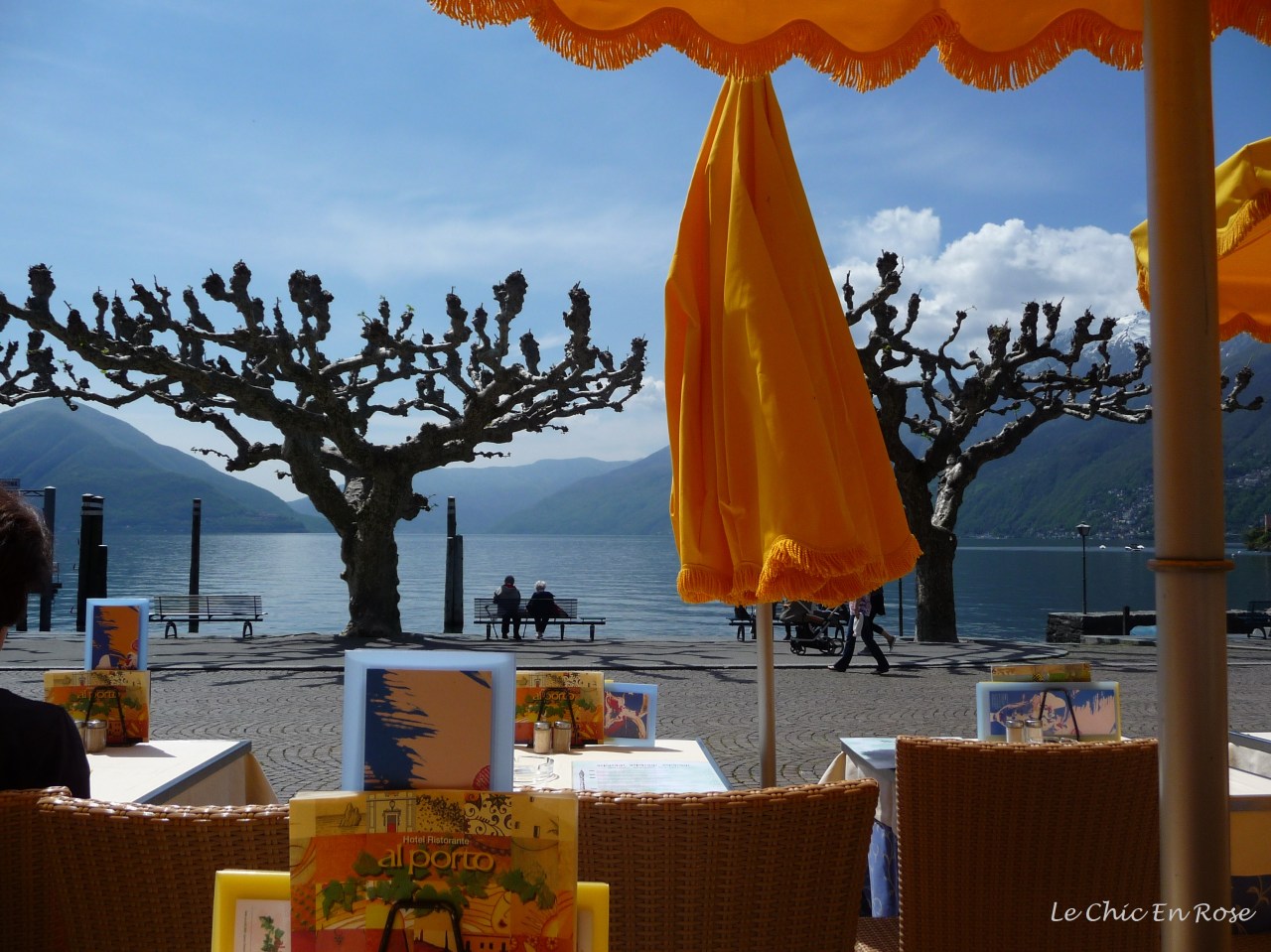
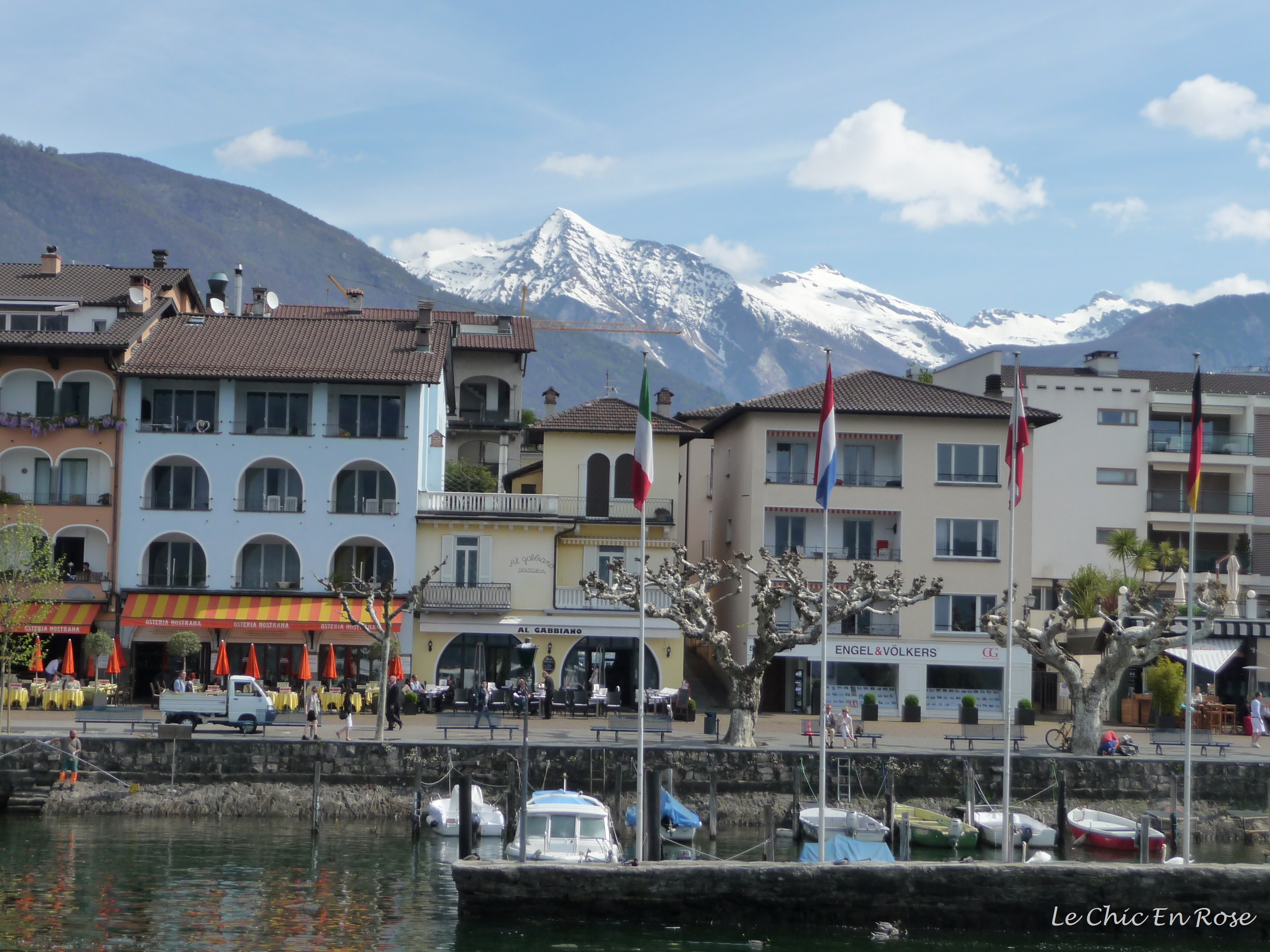
Ascona has the romantic feel of an old fishing village combined with the glamour and chicness of a lakeside Swiss/Italian resort. The promenade along the lake is dotted with pretty cafes, restaurants and hotels taking full advantage of the superb setting. We were very hungry by the time we arrived and keen for a late lunch! To be honest I don’t think we could have made a bad selection as all the menus we inspected looked wonderful but we were drawn to the vibrant colours of the Albergo Al Porto Ristorante and so alighted on their front terrace, sat back and basked in the warm spring sunshine. It was quite idyllic – the food was delicious, the view of the shimmering lake mesmerising and the atmosphere laid back and casual. The restaurant is attached to the Al Porto hotel and I’m pleased to say it is still very much in business and you can find out further details here. The website for the most part is in German, which is interesting given that Ascona is in Italian speaking Ticino. I should therefore imagine that it is used frequently by Swiss German visitors coming down in search of southern sunshine. You don’t need to speak German or Italian to admire the photos though!
View of Lake Maggiore from the Ristorante Albergo Alporto Ascona
Restaurants along the lakeside promenade Ascona
Facade of the Albergo Al Porto and street terrace
The vibrant Mediterranean colours drew us in – beautiful blues and yellows
The beautiful blue table napkins
Monsieur Le Chic relaxing
Gelati desserts Monsieur Le Chic’s selection
Gelati desserts Le Chic En Rose’s selection
We eventually prised ourselves off our chairs and set off to explore the little streets that led off the promenade.
Street leading into Ascona Old Town
The Old Town of Ascona has buildings dating back to medieval times, cobbled streets that all ultimately lead back to the lake and many pretty shops and boutiques. We didn’t have much time so I couldn’t explore the shops (Monsieur Le Chic did not seem too perturbed by this!). We did come across two fine looking churches, Santi Pietro e Paolo, (which has a magnificent interior though we hadn’t time to go inside) and the impressively named Church of Santa Maria della Misericordia (part of the Catholic school, Collegio Papio).
Church of Santi Pietro e Paolo Ascona
Another of the little streets that lead to and from the Old Town in Ascona
Path leading to Church of Santa Maria Misericordia and Collegio Papio
We wended our way back to the lakeside promenade and enjoyed a last walk along the front to the end and back before reluctantly setting off back to our Locarno base via the ferry.
I loved all the awnings on the hotels and restaurants lakeside Ascona
Albergo Castello Hotel -Lakeside Ascona
Lakeside Promenade Ascona
At the far end of the promenade away from the cafes nestles a little harbour
Little boats down by the quay in Ascona
Le Chic En Rose is setting off on travels in the near future – more details next week! In the meantime I’ll leave you with a lingering look at Ascona from Lake Maggiore. Caio for now!
There are a number of cruise options on Lake Maggiore, both from the Swiss side and from the Italian southern end. Either way you can sail round the lake to your heart’s content stopping at pretty little towns, villages and islands along the way (just remember to take your passport, especially if you intend crossing the Swiss/Italian border). Navigazione Laghi operates cruises on several Italian lakes including Maggiore and full details and seasonal timetables can be found here. We opted to take a trip from Locarno out to the Isole di Brissago – about 30 minutes cruising time via the adjacent town of Ascona.
On the boat leaving Locarno
View back to Locarno
Locarno From The Water
Heading out on Lake Maggiore
Approaching Ascona
Ascona Switzerland
Ascona Quayside Switzerland
Quay at Ascona
Quay at Isole di Brissago
With the favourable climatic conditions on the southern side of the Alps, the Lake Maggiore region is home to some wonderful gardens with beautiful displays of colourful plants and flowers. There are a couple of Brissago Islands – we visited Isola Grande (the large island), which is home to one of the most magical gardens we had ever visited, the Ticino Botanical Park or the Botanical Gardens Of The Islands Of Brissago (I’ve seen it referred to both ways). The “Ticino Top Ten” web page describes the islands on the information page as a “small subtropical paradise on Lake Maggiore” and it would be hard to disagree! Once you set foot on the island you’re spoilt for choice – we wandered round at a leisurely pace admiring the natural beauty. The beautiful plants and flowers come from all around the world including our home region of Oceania! There is a charge of 8 Swiss francs per person to go round the island but with a Swiss Rail Pass, which we had, you get a 20% discount as well as free rides on the boats at the Swiss end of the lake.
Swan on Isole di Brissago
We went to Isole di Brissago in late April
Beautiful blooms
The waters of Lake Maggiore gently lapped at the shore
Once you’ve arrived you can wander about at your leisure
You will soon notice the grand form of a Palazzo style house – this magnificent residence is a clue to the history of the island.
Palazzo Isole di Brissago
Originally the island had been the site of a convent, which had fallen into disrepair. In 1885 a Russian Baroness, Antoinette St Leger and her husband Lord Richard Fleming, purchased the Brissago islands and set about cultivating a beautiful garden for their personal enjoyment. They restored the convent to use as a house, enriched the soil, built meandering pathways and planted an array of exotic trees, plants and shrubs. However by 1927 the Baroness had lost all her wealth (her husband had left some years previously) and so she was obliged to sell the islands. They were purchased by a wealthy entrepreneur, Max Emden, who was born in Hamburg and later relocated to Ticino. He had the Palazzo style house you see today constructed.
On the balcony of the house
View from the house
There was a considerable amount of information on Emden around the house – both in writing and photos. The impression we formed was that he had had some sort of mid life epiphany and decided to devote himself to a life of pleasure and art appreciation on his island hideaway. Suffice to say the ghosts of the nuns must have been turning in their graves. There were wild rumours of hedonistic parties around the house, gardens and neo classical pools that Emden had constructed. If you want to discover more and can read German I did find his biography for sale here. Whatever the truth, Emden passed away in 1940 and eventually in 1949 a public foundation with several members, including the Canton of Ticino, was able to purchase the islands. From then on the island, house and gardens have been held by the trust for the benefit of the wider public, both locals and the numerous tourists who visit the island and botanical gardens each year.
Nude classical statue round the pool Isole di Brissago
Pathway leading down to the lake shore
View out to Lake Maggiore from the pool area
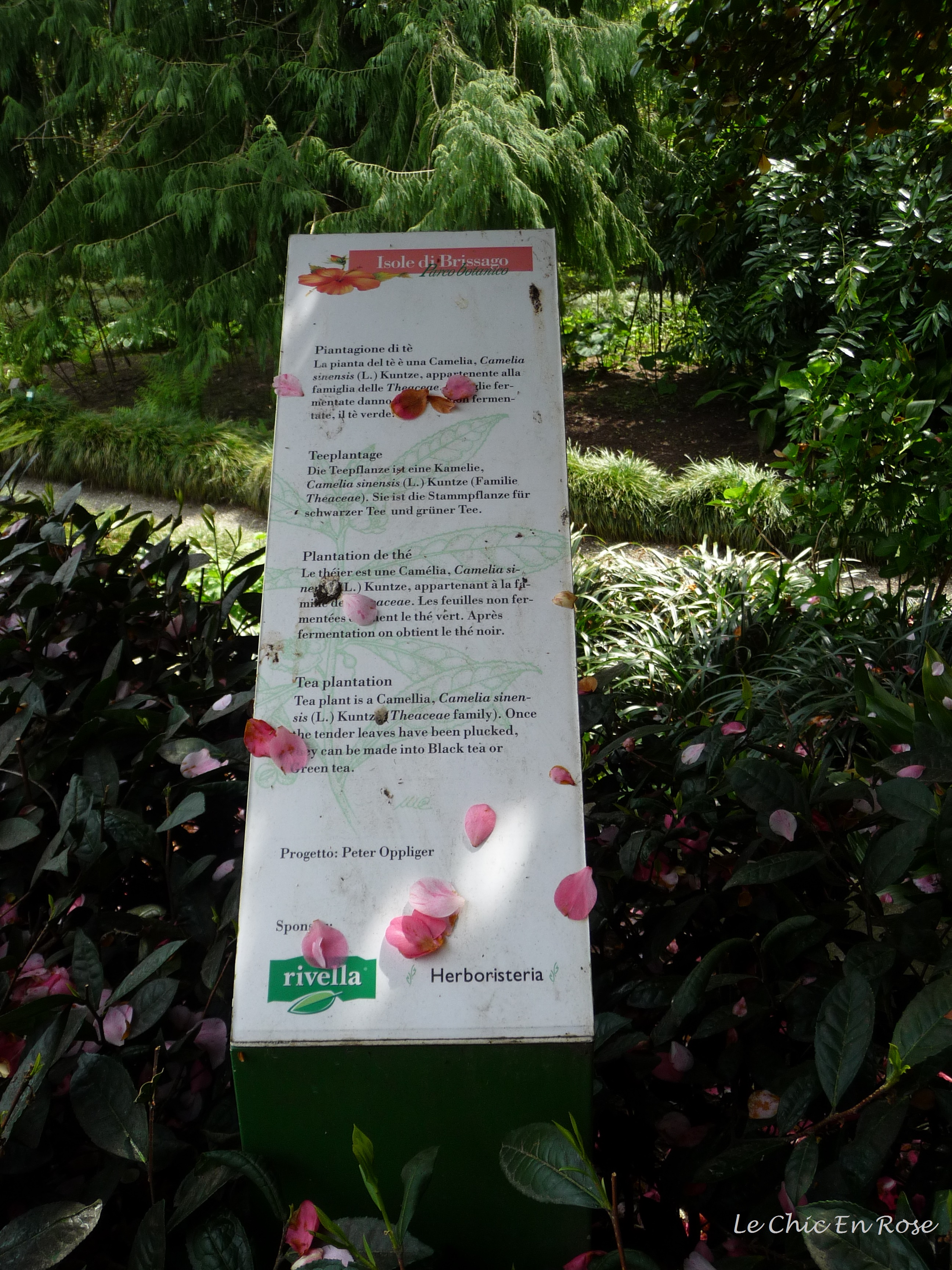
I am not a botanical expert but one doesn’t have to be – there is a wealth of information about the horticultural displays.
Information board on Isole di Brissago plants
We did notice a far greater number of visitors than had been the case in Locarno. We were visiting towards the end of April so not high season but Isole di Brissago, not surprisingly, is a very popular destination from both the Swiss and Italian ends of Lake Maggiore. We didn’t feel crowded except in the house where the cafe/restaurant was packed. Consequently we took ourselves back to the mainland and Ascona for lunch. I would guess it might be a different story in July or August but we felt very peaceful and relaxed wandering round the island savouring the beautiful experience.
Down by the shore of Lake Maggiore on Isole di Brissago
The beauty of the island and lake
Relaxing by the side of Lake Maggiore
Peace and tranquility Isole di Brissago
Monsieur Le Chic on one of the many island pathways
The Gardens Of Switzerland initiative has some interesting information about gardens open to the public in all the Swiss Cantons including the Isole di Brissago and you can follow the various links on their web page here.
Botanical Gardens Isole di Brissago
Greenhouse in the botanical gardens. We have a bird of paradise in our garden back home in Perth too!
Botanical gardens Isole di Brissago
Next week we’ll head off to the pretty lakeside town of Ascona for lunch. Ciao for now!
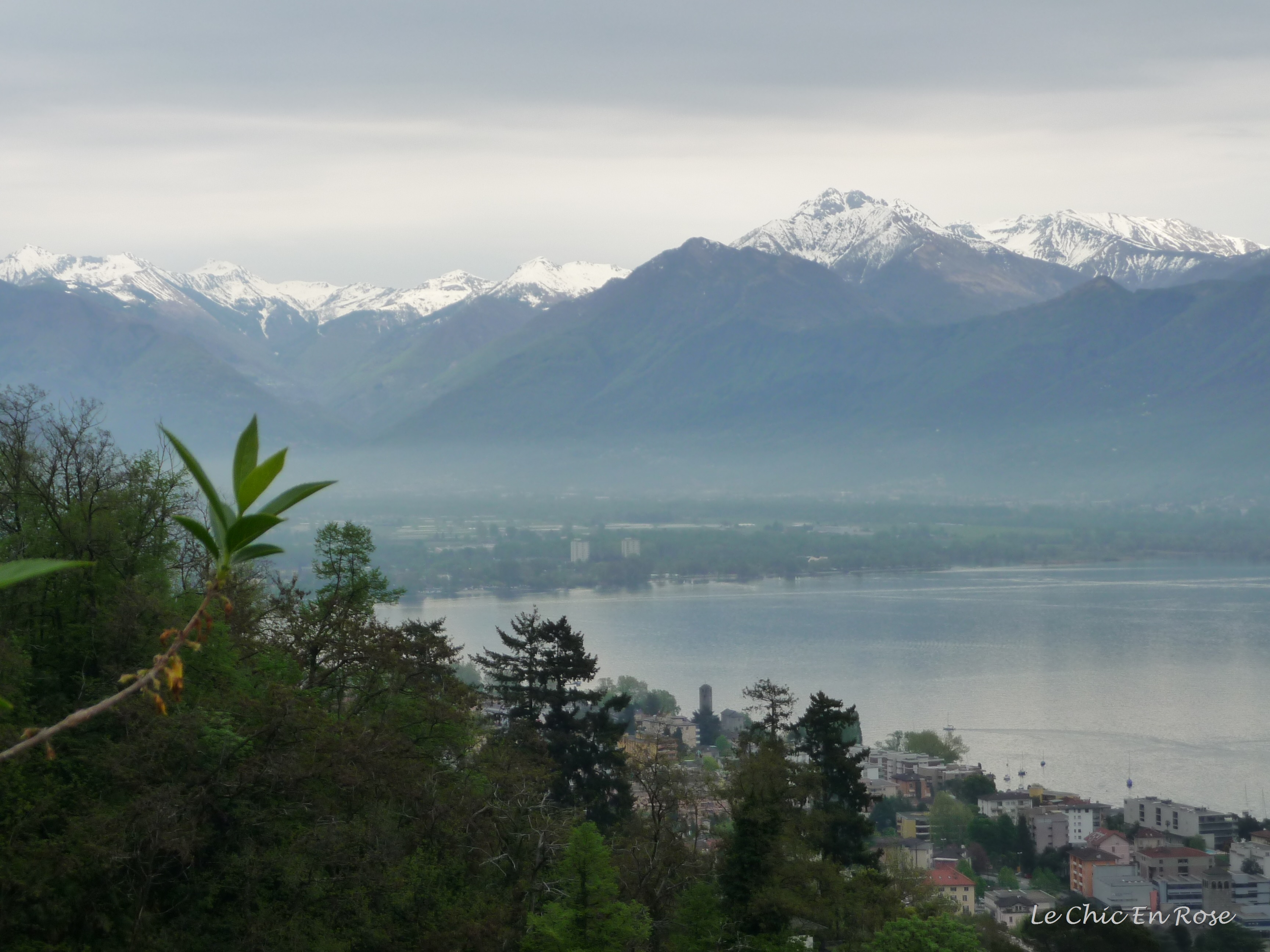
One of Locarno’s major attractions is the beautiful church of Madonna del Sasso, which sits majestically, if somewhat precariously, on a rocky crag overlooking the town and lake below. “Sasso” means “rock” in Italian. The church was consecrated here in 1487 at precisely the same spot where Bartolomeo d’Ivrea, a monk from the San Francesco Monastery in Locarno, had witnessed a vision of the Virgin Mary 7 years earlier in August 1480. Over the centuries it has become an important pilgrimage church and a place of sanctuary. The adjacent lookout point also affords a spectacular panoramic vista over Locarno and Lake Maggiore and views across to the snow covered peaks of the Lepontine alpine range.
View across Lake Maggiore and towards the Alps from the Madonna del Sasso Lookout point
There are a couple of options for getting up to the church, which is situated near the hillside suburb of Orselina. One is to make the ascent by foot, up the steep and wooded ravine, that leads up the mountain from Locarno – this takes about 20 minutes. However we opted to take the Locarno-Madonna del Sasso Funicular (FLMS in its Italian abbreviated form), which is obviously a lot quicker! You alight at Madonna del Sasso station and come to the panoramic viewing point before walking down some steps to the church itself. We didn’t have the best day for taking photos but the views were still impressive. They would have been magnificent on a clear sunny day! We walked around the grounds of the church but opted not to go round. The sanctuary is open to the public on a daily basis and you can find out further details here.
Locarno-Madonna Funicular – trains about to cross!
The church of Madonna del Sasso is situated up a deeply wooded ravine
View over Lake Maggiore
Viewing point Madonna del Sasso
View of Lake Maggiore and Lepotine Alps
The pilgrimage church of Madonna del Sasso perched on a rocky crag above Locarno!
Funicular rounding the corner
Descending back to Locarno
We walked round the outside of the church
The final stop on the funicular is just a little further up the hill at Orselina. Here you can switch to the Cardada Cable Car and from Cardada Station a chair lift, which takes you to the summit of Cimetta mountain. At 1671 metres above sea level, Cimetta offers skiing and other winter sporting activities and is also a favoured destination for summer hikers. Since it wasn’t the best day for panoramic viewing, we didn’t make the ascent to the top but if you are interested there is more information here though you’ll need to be able to read Italian as I couldn’t find a link in English!
Lake Maggiore is a hauntingly beautiful place and I never tired of taking photos – some of the most idyllic moments were as dusk was falling.
Sun setting over Lake Maggiore – the mountains took on a pinkish hue
Boat on Lake Maggiore at dusk
Moon rising over mountains above Lake Maggiore
Next week we’re heading off to a beautiful island in the middle of the lake, home to some of the most gorgeous botanical gardens we had ever seen. The island also has a rather risque past – definitely a change of scene from Madonna del Sasso! Caio for now!
One of my favourite pastimes, whether I’m in holiday planning mode or not, is to study maps and destinations and try to work out what would be a possible itinerary for future travels! We were going to be staying a few nights in St Moritz nearly 5 years ago. To finish off our trip, I thought it would be interesting to visit Locarno on the northern shore of Lake Maggiore, still in Switzerland but part of the southern canton of Ticino where Italian is the sole official language. Getting there from St Moritz, whilst not intrepid by many standards, was still a little more complicated than I had bargained for. We caught a train from St Moritz to the little town of Thusis and then embarked on a Swiss Post Bus journey through the San Bernardino Pass (fortunately via a tunnel these days) down into Ticino and its regional capital of Bellinzona. Although the tunnel has greatly improved the communication between the remote Hinterrhein and Mescolina Valleys, you follow the route of the old Viamala, which drove fear into the hearts of travellers of yore. The so-called “Bad Path” took its name back in the middle ages, coined by those traversing this wild rugged terrain. It was the only way to cross the Alps at this point, with their high peaks and deep gorges, and must have felt a remote and godforsaken place – not surprisingly a number of unfortunate folk succumbed to illness, accidents and other mishaps.
Our Swiss Post Bus in Mescolina having a quick pitstop! Although Italian speaking, this remote valley is still in the predominately German speaking canton of Graubuenden in Switzerland.
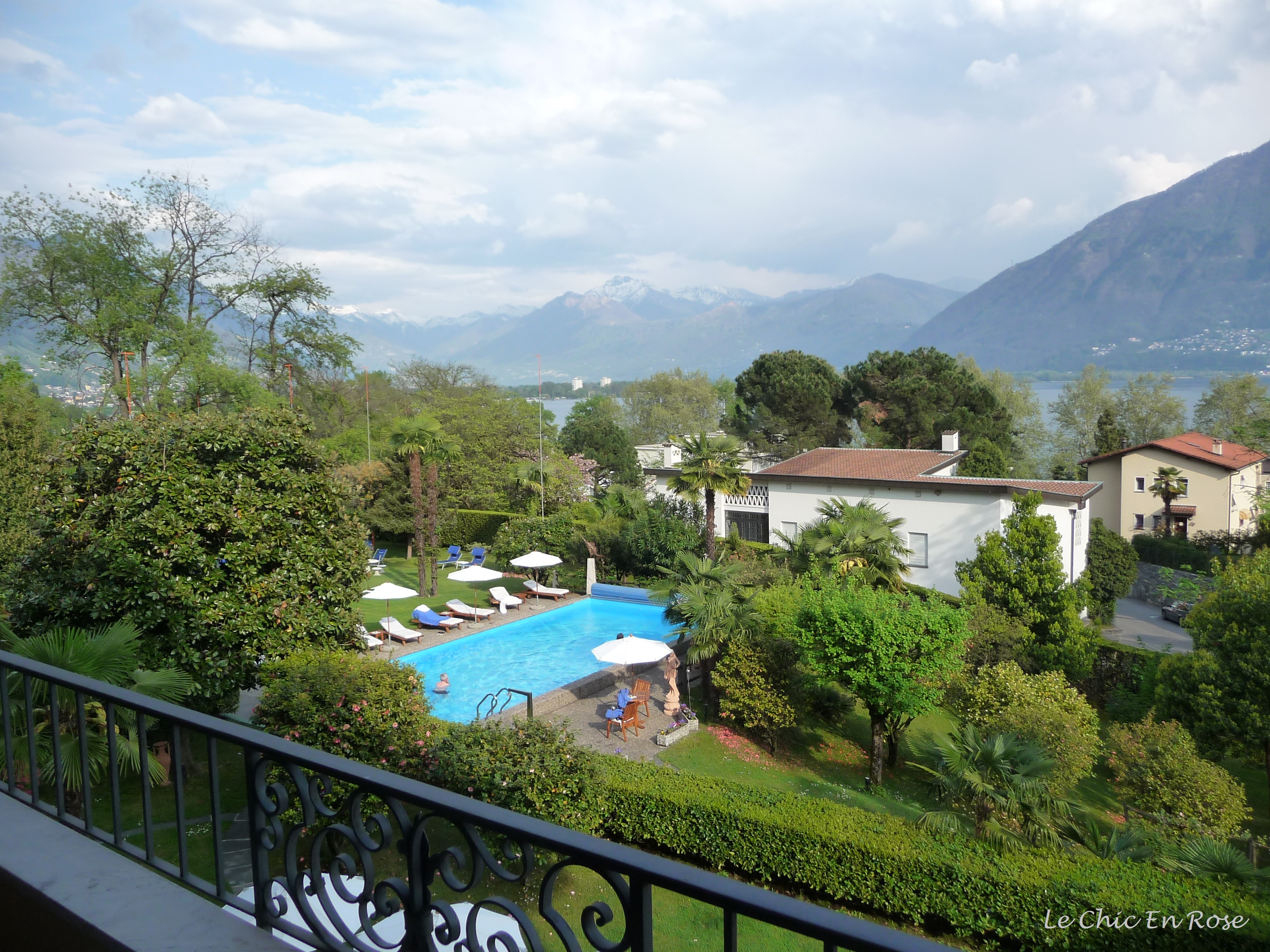
As it was a particularly wet and rainy day for most of the journey, we were glad to arrive in Bellinzona safe and sound! Here we picked up the local train that shuttles back and forth between Bellinzona and Locarno. Once we stepped out of the station, it was something of a culture shock; the buzz of rapid fire Italian voices, mopeds and cars competing for right of way in the narrow streets and the distinct warmer vibe of a Mediterranean climate! We caught a taxi to our hotel, the Albergo Remorino, checked in, opened the doors to the balcony and were greeted with a wonderful view!
View from hotel balcony Albergo Remorino Locarno Switzerland
The family run Albergo Remorino is actually in the lakeside suburb of Minusio, which is about 5 minutes drive outside Locarno itself. Such a distance did not bother us at all as we were quite happy to walk along Lake Maggiore to and from town, which took about 15 to 20 minutes. There are also regular buses into town, which stop close by the hotel or the hotel staff will provide you with bikes free of charge. The Remorino had a lovely welcoming feel about it and also the most gorgeous breakfast terrace set among lush gardens (which included a pool). There was a slight feel of faded glory about the place, but having checked out the website (see here), the rooms and lobby were all refurbished a couple of years ago and now look effortlessly modern and chic. The ratings have remained high on Tripadvisor too with 4 and a half star approval. We loved the laid-back feel to the area and preferred to be away from the hustle and bustle of central Locarno.
Breakfast Terrace Albergo Remorino Locarno
Streets nearby Albergo Remorino
View down to the pool and gardens from balcony Hotel Albergo Remorino
Walk down to Lake Maggiore
Walk along Lake Maggiore into Locarno
Down by Lake Maggiore
Wisteria climbing up walls typical buildings in side streets of Minusio
Locarno, whilst still an Alpine town, enjoys Switzerland’s warmest climate and is blessed with over 2300 hours of sunshine each year! It is famous for its annual International Film Festival held in August and the Moon and Stars (pop and rock) Festival held each July. Historically it was the venue for the signing of the Locarno Treaty in 1925 when Germany, France and Belgium agreed to honour the reorganisation of their frontiers, as laid down by the Treaty of Versailles, following the end of the First World War (the pact didn’t last!). Whilst distinctly Italian in language and culture, the Swiss side of Locarno is very evident. The town was immaculate with pristinely maintained gardens and public amenities. There was a feeling of order and routine here too despite our first impressions coming out of the railway station. All paths gravitated to the old centre with the charming Piazza Grande at its heart.
Piazza Grande Locarno
In terms of food you’re very much in Italian territory with a multitude of pizzerias and restaurants to choose from. The bars also indulge the Italian habit of afternoon drinks and nibbles with their “Happy Hours” and you can walk everything off with a stroll around the pretty Old Town or along the shores of the lake. One feature we did notice was that whilst Italian is the native language, German was the default second language, not English, which came in third. This southern part of Switzerland is hugely popular with the Swiss Germans who flock here to escape the rather greyer and cooler northern climate, hence the need for the locals to speak German! Menus were in both Italian and German and whilst most hospitality staff had at least a smattering of English, on occasions Monsieur Le Chic had to resort to using his high school German (neither of us speaking any more than a few words of Italian). Since then I have taken up German language classes myself so would be more prepared for future visits though you’ll definitely be able to get by using English – it just may take a little more time with food orders! For more enlightenment on the “lingua franca” in Switzerland see my earlier article here!
Floral display in the centre of Locarno
Typical street scene near the lake
Our favourite local haunt for “Happy Hour”
Piazza Grande Locarno
Typical pizzeria near the Piazza Grande
Vibrant flowers were in abundance
The Alps are not far away and mountains rise up behind the town centre
Lake Maggiore at dusk
At the edge of the old town you’ll find the Castello Visconteo, a castle which has its origins in the 12th century. Some of the buildings here were reputedly designed by Leonardo Da Vinci. Although this suggestion made by an Italian historian has yet to be officially proved, the citizens of Locarno are proud to claim the link! An archaelogical museum is housed within the castle walls, although on this occasion we didn’t have the time to visit it, so just had a wander round the old ruins.
Castello Visconteo lies on the edge of the old town in Locarno
Plaque ascribing the architecture of the castle to Da Vinci
Another view of Castello Visconteo
I should also point out that there are far more direct ways of getting to Locarno than the circuitous route that we took. Direct trains go there from Zurich Hauptbahnhof and as I mentioned earlier in this article, there is a regular rail service from Bellinzona, which is on the main Milan/Zurich rail line. There are also shuttle bus options to and from Malpensa airport in Milan or car rentals if you prefer to drive yourself!
Next week we’ll head off by funicular, to visit another of Locarno’s main attractions, the church of Madonna del Sasso in Orselina, which also affords a wonderful lookout point over Lake Maggiore. Ciao for now!
We hadn’t got time to visit all the museums and galleries in Innsbruck (there were many to choose from) but we were intrigued by the sound of Das Tirol Panorama (The Tyrol Panorama) so headed out to the southern end of town to take a look. Here we moved forward from the earlier Hapsburg castles and palaces we had so far visited, to the 19th century, in particular the life and times of the Tyrol region during the Napoleanic Wars.
Das Tirol Panorama is a giant painting (actually 27 individual paintings on canvas). These paintings are joined together and set up in a display, which goes all the way round the room. It gives the viewers a 360 degree view of Tyrolean history by commemorating the 3rd Battle of Bergisel in August 1809, between the Tyrolean patriots and the combined forces of the Bavarians and French. This confrontation was one of the Tyroleans many attempts at wresting control of their land back to Austrian rule and on this occasion they successfully drove their enemies back and retook control of the Tyrolean capital, Innsbruck. Their leader Andreas Hofer, who was born in 1767 near Sankt Leonard in the South Tyrol (now San Leonardo Italy) was hailed a hero and set himself up as the self-styled leader of the Tyrol region with the blessing of the Austrian Emperor, Francis 1. Ultimately the Austrians were defeated and ceded the Tyrol to the French who hunted down and captured Hofer. He met his end near Mantua in 1810 where he was executed under orders from the French. Hofer is still revered today as a folk hero of the Tyrol region and his tomb now rests in the Hofkirche, the church of the Imperial Palace in Innsbruck. In addition to the Panorama, the museum also houses the Kaiserjaegermuseum (The Museum Of The Tyrolean Imperial Infantry). This display links in to the military history during the times of the uprising and there is also a section called “Showcase Tyrol”, which explores the culture, lifestyle and values of the Tyrolean region from this period and onwards. I was able to take some photos but since I wasn’t doing my blog then, you will have to peer past Monsieur Le Chic and yours truly to get an idea of the scale of the Panorama! We did feel as though we could be in the midst of the battle and whilst some of the exhibits and explanations of the history were quite complicated to follow (even in English!) the Panorama was a real highlight. For more details of museums in Innsbruck and entry fees head here!
The old entrance to the museum. The entrance has now been relocated round the corner.
Audio guides were available in several languages including English!
You felt as though you were in the midst of the battle
You get a 360 degree view
Marmot exhibit in the “Showcase Tyrol” section
The Panorama was painted by a team of artists under the direction of a Munich based landscape painter, Michael Zeno Diemer (1867-1939) and was first exhibited in Innsbruck in 1896. It was relocated to its present location in Bergisel in 2011 and now resides near the site of the original battle! If museums and history are not your cup of tea you can also pay a visit to the site of the Innsbruck Ski Jump, which is also located in Bergisel. One of Innsbruck’s other main claims to fame is its close association with the Winter Olympics, which were held here in 1964 and 1976. Innsbruck has also twice hosted the Winter Paralympics and also the inaugural World Youth Winter Olympic Games in 2012.
The Innsbruck Ski Jump at Bergisel viewed from the other side of the valley on the Nordkette
There are so many pretty little towns and villages dotted around the Tyrol! One pleasant April day when the rain stopped and the sun shone throughout, we caught the train from Innsbruck and went east towards the Kitzbuehl area. We had a very enjoyable lunch in a little cafe in the main square of St Johann In Tirol. A major drawcard for tourists with its abundance of skiing facilities and hiking trails, it was between the summer and winter seasons when we visited and the lovely old buildings were basking in the sun. It was a quiet and dreamy place out of season and we could get a real feel for the beautiful Tyrol, its daily life and its proud heritage!
Walking towards the main square from the station
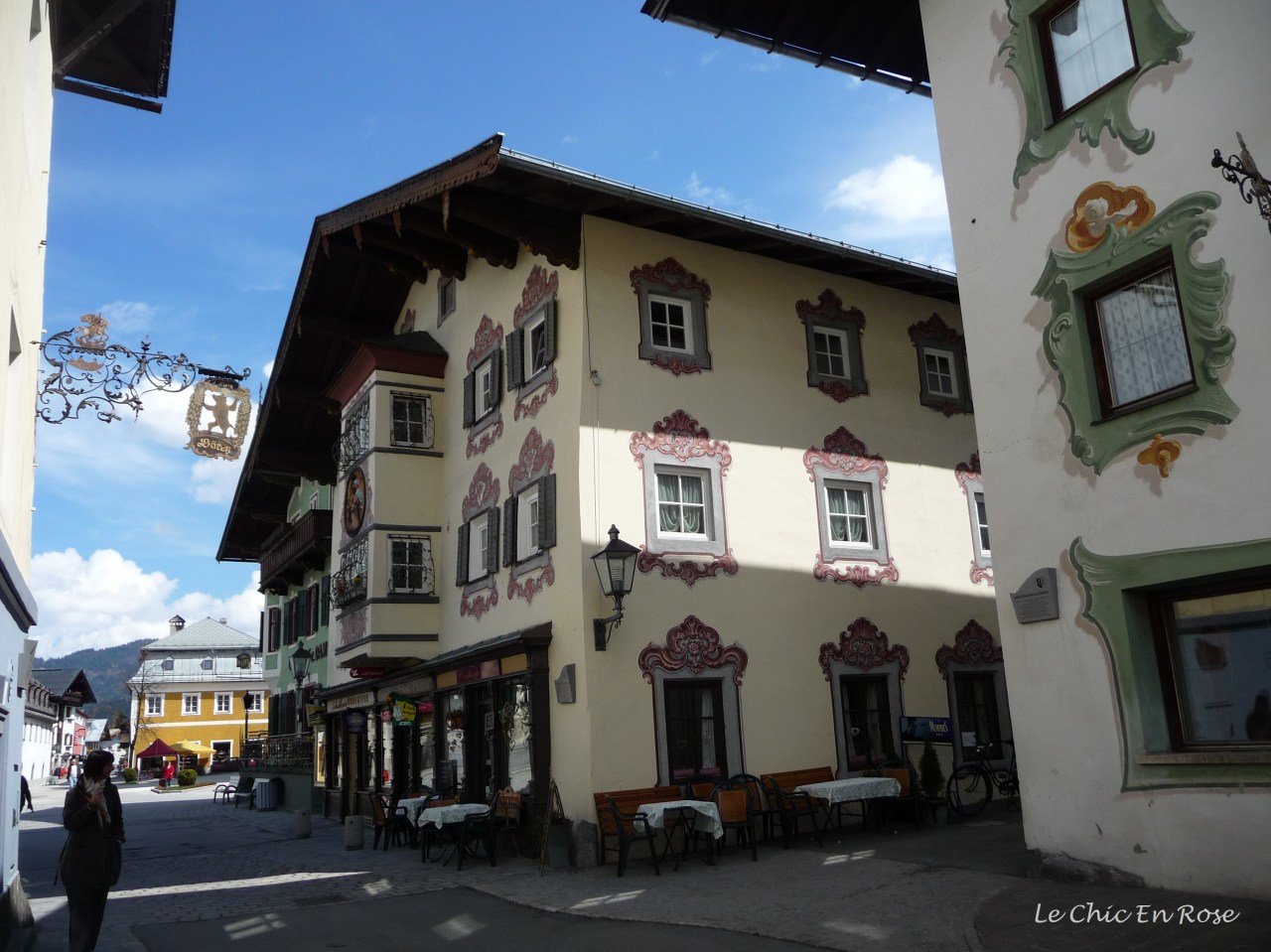
The buildings were beautiful with painted frescoes
Main square St Johann In Tirol
The parish church of St Johann in the main square
The main post office in the sqaure
We had lunch and drinks at one of the little cafes, which must be buzzing in high season!
View down one of the alpine rivers that converge in St Johann
View back to the mountains. St Johann lies in a valley near the Wilder Kaiser mountain range
The station
Residential houses typical of the Tyrol region
St Johann is in a major valley basin – 3 rivers join here and flow towards Bavaria as the Tiroler Ache!
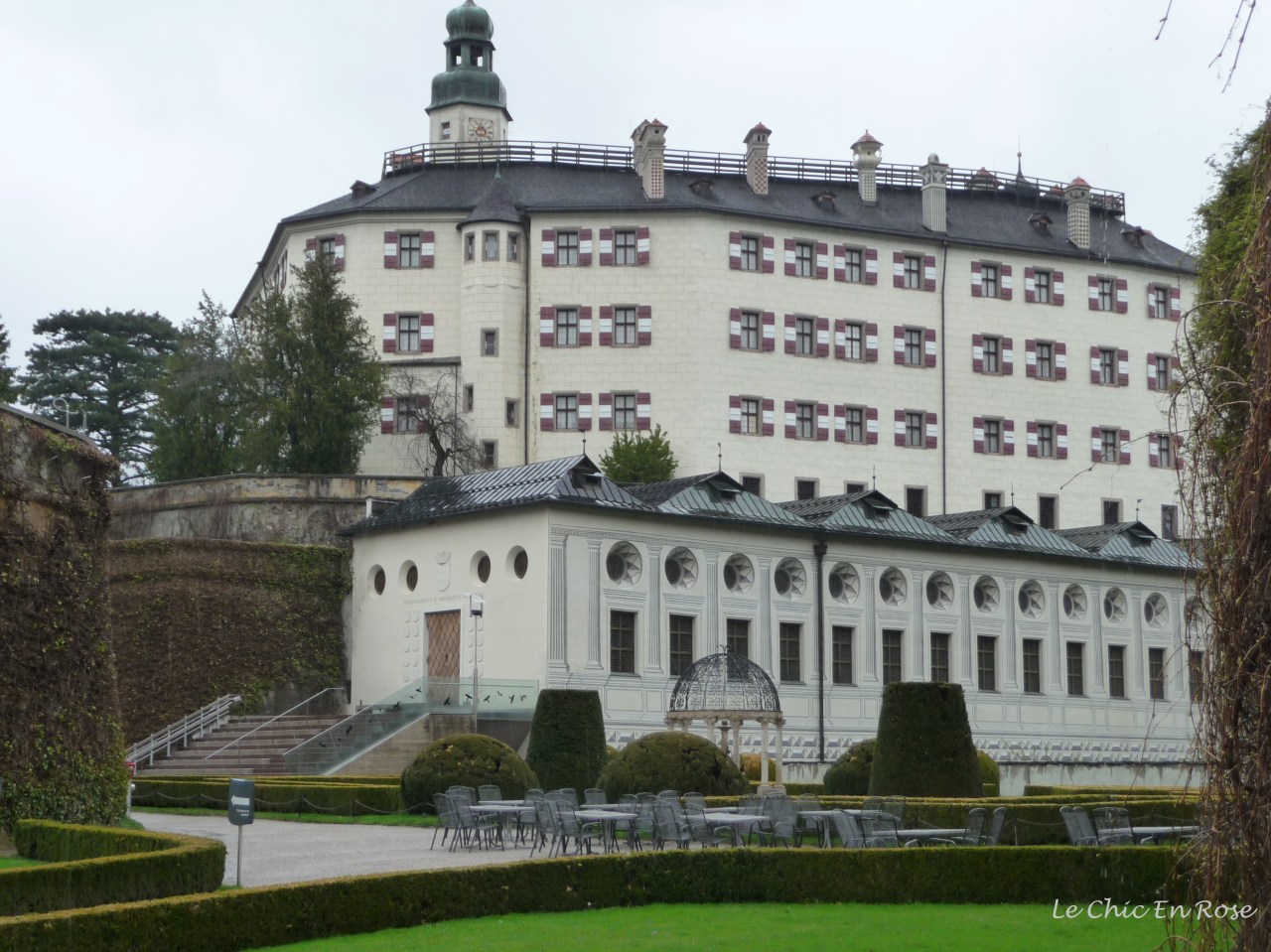
On a particularly cold and dreary Sunday during our stay in Innsbruck, we decided to hop on the Innsbruck Sightseer bus and head out to Schloss Ambras just a couple of kilometres or so outside the city. The beauty of the bus is that you can get on and off whenever you like so we figured that if we didn’t like the castle we could just walk back down the drive and pick up the next bus (they usually come along every 40 minutes or so). We ended up staying a few hours and apart from the impressive architecture of this beautiful Renaissance Castle we were intrigued (yours truly especially) by the story that lies behind the castle walls!
It was a very cold day and the rain hardly stopped but the grounds were beautifully green!
The castle is in the background – it was an imposing sight!
The impressive exterior of the Renaissance castle of Schloss Ambras Innsbruck
The umbrella that I had purchased earlier in the day in Innsbruck got a good workout. Umbrella is “Regenschirm” in German. I did have to ask for one in faltering German!
The castle was extensively remodelled by Ferdinand II (1529-1595) in the mid 16th century as a love nest for his bride, Philippine Welser (1527 to 1580) and as such is closely associated with him. Ferdinand was the second son of Ferdinand 1, the Holy Roman Emperor and assisted his father in keeping law and order in the imperial lands. He was made Governor of Bohemia in 1547 and led the campaign against the Turks in Hungary in 1556. Somewhere along the way, he was introduced to Philippine reputedly by her aunt, Katharina von Loxan. Philippine was by all accounts beautiful, highly intelligent and had a very kind heart. However, as the daughter of an Augsburg merchant and financier, she was not considered to be of noble enough rank to marry the likes of Ferdinand. Undaunted, Ferdinand defied his father’s will and secretly married Philippine in 1557. His father was not best pleased and Ferdinand was apparently despatched off to rule over the Tyrol. Since the marriage was morganatic and Philippine could not be styled the Archduchess, nor any children (there were several) inherit the Archdukedom, Ferdinand moved himself and his wife out to Ambras and he lived here from 1563 to 1595 (staying on after Philippine’s death in 1580). The castle covers a large area and there are a number of different sections and galleries. The castle is also the venue for regular art exhibitions and classical music concerts so check here for more information if you are planning a visit.
The castle is well laid out and you gather a lot of information from the sign posts and guides that are dotted around the place. You can take guided tours, but we preferred to wander round at our own pace taking it all in. Ferdinand was by all accounts devoted to his wife who, although shunned by nobles and aristocrats, was beloved by many ordinary Tyrolean folk (so the “secret” must have been widely known!). She was known for her good charity and devotion to the community and despite having various honorary titles conferred on her by Ferdinand never seems to have got “above herself” in her demeanour. Philippine is also regarded as a pioneer of natural medicine. She suffered from a number of ailments, for which she used various medicinal herbs and preparations to treat herself. “Philippine’s Garden” is still tended lovingly to this day by the castle staff. The aroma of the herbs and flowers was wonderful but alas I can’t convey that through pictures!
Philippine Welser’s Garden at Schloss Ambras
Medicinal herbs used in the day of Philippine Welser
As part of her “cures” Philippine took regular baths and “Das Bad der Philippine Welser” is a major exhibit at the castle.
Information board en route to Philippine Welser’s bath
The bathtub is still on display and is in one of the most cold and draughty parts of the old castle (unheated today), so I hope they had some sort of heating arrangement in the 16th century! It was in an incredibly dark room, sunken and tiled with faded classical murals on the wall. However, in its day, it would have been the absolute height of bathroom luxury and sophistication since ladies taking baths in a bathtub was unheard of! Ferdinand indulged Philippine by having the whole bathing area constructed for her. They even had an elaborate plumbing system, which included provision for hot water so maybe this kept them sufficiently warm! Again the Schloss Ambras website has photos and further information here.
Ferdinand’s interests were more orientated towards the military and he built up an impressive collection of weapons and armour, which are housed in the Chamber Of Armour in the lower section of the castle. He also had the magnificent Spanish Hall constructed for balls and festive occasions, which is adorned by impressive life size portraits of Tyrolean rulers.
Ferdinand’s large weapons collection is housed here
Ferdinand II certainly built up a fine collection of weaponry
Monsieur Le Chic imitating some of the exhibits!
Entrance to the Spanish Hall Schloss Ambras
The walls are adorned with portraits of Hapsburg rulers
Ferdinand II is on the far left
More Hapsburgs!
Courtyard of the upper castle constructed from 1564-1567. Grisaille fresco work – grey paint on still wet plaster.
Looking down the Spanish Hall
Unfortunately, because of the inclement weather, we were unable to walk round the extensive Ambras Grounds, which with their mountain backdrop must be spectacular in good weather. The grounds, unlike the castle, are free of charge. However we used our Innsbruck card, which we made good use of during our time in Innsbruck (see post here) to tour round the castle interior and collections. Ferdinand was also a collector of objects and curiosities, which are housed today in the “Chamber Of Art And Curiosities”. Some of the exhibits (which include a portrait of “Vlad The Impaler”) are rather gruesome. You have been warned!
Ferdinand had the Silver Chapel at the Innsbruck Hofburg added on to his father’s rather grim Hofkirche (see last week’s post for some photos). If we hadn’t been put off by the mildly threatening tomb of Maximilian 1, we would have popped in to the chapel, which houses the tombs of Ferdinand, Philippine and her aunt, Katharina von Loxan (her lady-in waiting) who died just 10 days before her in 1580. Devoted to the end, Ferdinand made sure Philippine had a fitting place of rest.
Following Philippine’s death, Ferdinand remarried in 1582 the much younger Anna Katharina, daughter of the Duke Of Mantua. More shocking than the age difference (she was 16, he was 53) was that she was also his niece (her mother, Eleanor, was Ferdinand’s younger sister). This practice was not uncommon at the time in the Hapsburg families, obsessed as they were with forming dynastic ties across Europe. Ferdinand was no doubt anxious for a son and heir to succeed him since neither of his 2 surviving sons by Philippine could inherit his title. In the end his second marriage only produced daughters and after Ferdinand’s death in 1595, the deeply religious Anna Katharina hightailed it to a nunnery! One can only think what poor Philippine would have thought – she must have been turning in her tomb in the Silver Chapel! Nevertheless she and Ferdinand were reunited in death since Anna Katharina preferred to be buried in the chapel of the religious order that she founded at the Servite Convent.
Unfortunately I wasn’t able to take any photos of Philippine’s portraits. Since I don’t wish to breach any copyright laws (they were rather strict at Schloss Ambras about taking photos in certain areas only) if you wish to see the face of the lady who so captivated Ferdinand, head here!
It seems appropriate to write about Philippine and Ferdinand’s love story from the past on the eve of St Valentines Day! Thanks go to Monsieur Le Chic for his continued support of Le Chic En Rose! Happy Valentine’s Day, tout le monde!














 I have managed (I think!) to produce this travel update on my iPad so hopefully it will publish successfully! My usual blog posts will resume on my return to Perth at the end of this month. Wishing everyone a very happy Easter and a wonderful long weekend!















 Le Chic En Rose